
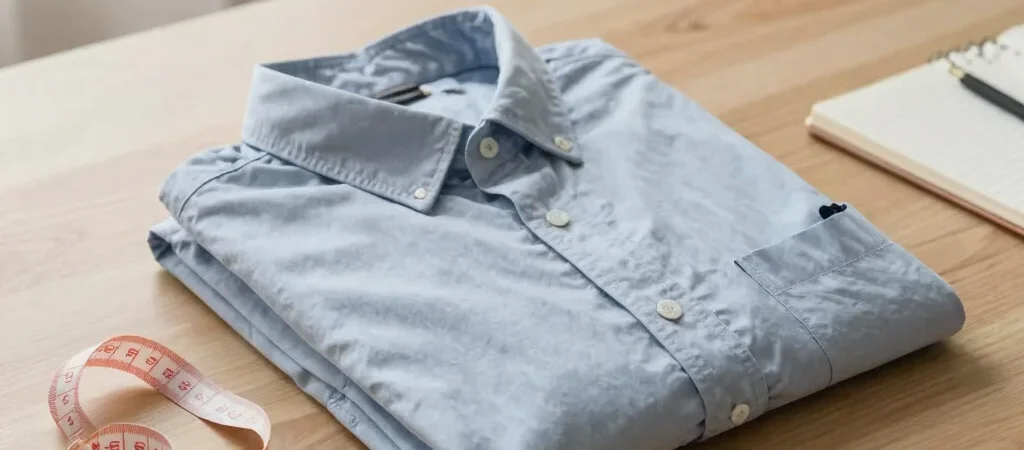
A clothing review that says only “true to size” leaves out the details most people need. Fit changes with shoulder shape, torso length, layering, and how someone likes a garment to sit. For trans-inclusive fashion coverage, describe what the clothes do; don’t treat a gendered label as an instruction for who can wear them.
Describe the garment, not the aisle
Useful fit notes name specifics: whether the shoulder seam sits where expected, whether buttons pull when the wearer moves, and where the hem lands. A garment can be marketed for one gender and still suit someone who shops elsewhere; the cut and the person’s preferences matter more than the department sign. Plain descriptions let readers decide without being assigned a category.
Check movement and layering
A mirror check catches only part of the story. Sit down, reach forward, raise your arms, and see whether the fabric twists or the fit becomes restrictive. If you plan to wear a shirt over a base layer or under a jacket, try that combination too, since a comfortable fit on its own may feel different once another layer is involved.
Give readers usable context
A candid review should say what was tried, how it was worn, and which details are a matter of personal preference. If the maker provides garment measurements, include the ones that help explain the cut; don’t turn a size label into a promise that the same size will work for everyone. The best takeaway is specific enough for a reader to compare with clothes they already own.